
"Play nicely, children" is a familiar plea from parents and teachers, but getting children to cooperate may depend less on their social skills and more on the type of play they are doing. New research from the Universities of Cambridge and Sussex suggests that giving children a shared goal can significantly improve their ability to connect and communicate, especially when they are not yet friends.
The "connectedness" factor
Researchers measured "connectedness," or how much children talked about the same topic, shared ideas, and communicated coherently. The study found that while friends often have an intuitive understanding of how to play together, children who were not friends saw their connectedness during goal-directed play increase by about 25%.
Goal-directed vs. free play
In open-ended play sessions, non-friends might play side-by-side without truly coordinating. However, when given a specific task, such as working together to complete a drawing, these same children move from parallel play to active coordination. The shared goal acts as a bridge, encouraging them to listen, negotiate, and respond to each other's needs.
Social skills are learned
This research supports the ChildUp belief that social skills are developed through experience. By providing the right activities, parents and educators can help children navigate social interactions and build new relationships.
Practical application for parents
For playdates with children who don't know each other well, simply providing toys might not be enough to foster collaboration. A shared goal can help them communicate more effectively.
Implications for the classroom
This "purposeful play" is also important for educators planning group activities. Teachers can use goal-directed tasks to help integrate children and encourage teamwork.
The bottom line
While free play is essential, goal-directed play is a powerful tool for social development. By giving children a common purpose, we can help them develop the cooperation and communication skills needed to turn strangers into friends.
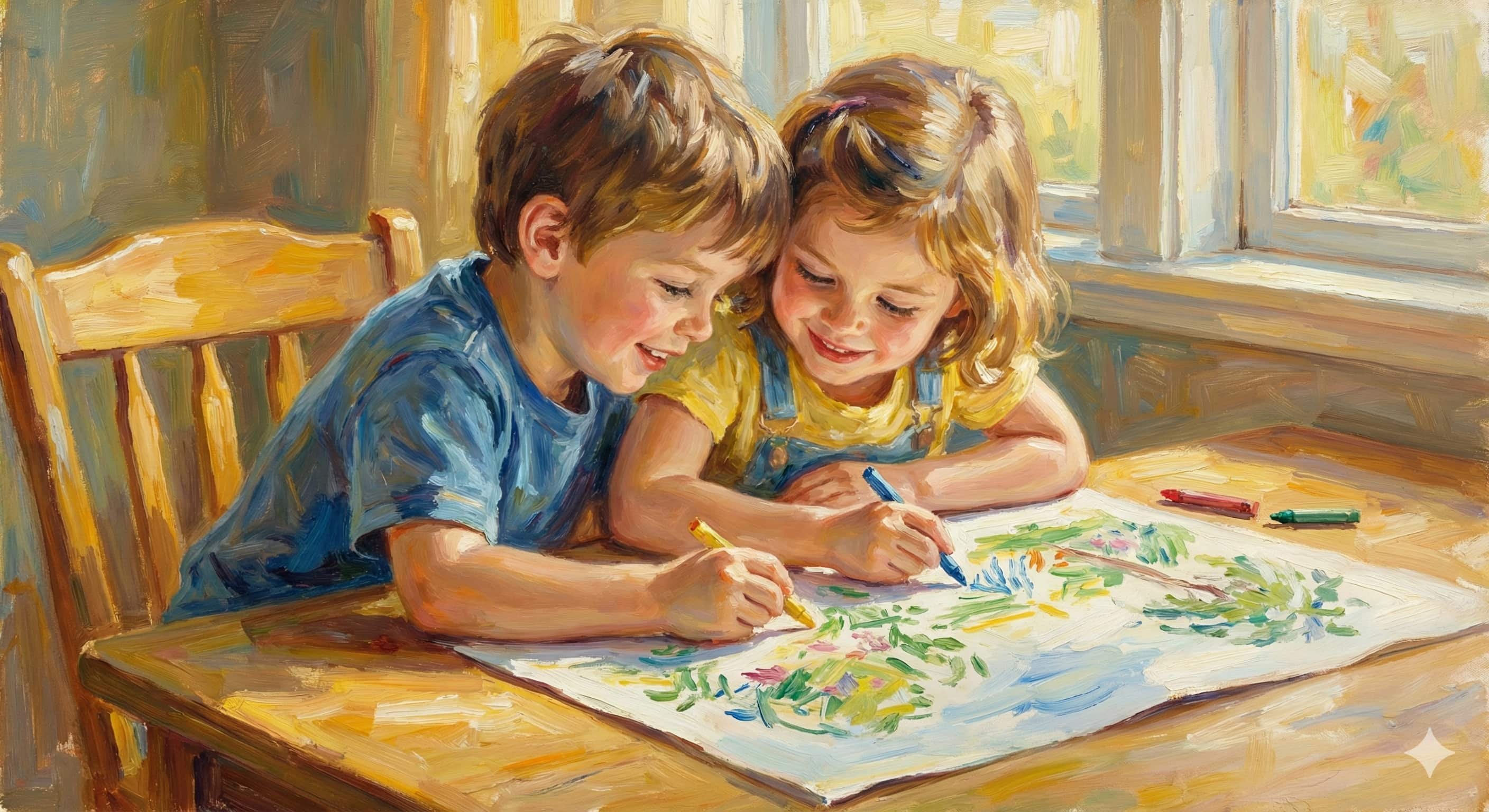
Picture: Goal-directed play (ChildUp / Gemini)