
A sharp decline in daily reading habits
A recent survey reveals a worrying trend in early childhood development: the number of parents reading to their children daily has dropped precipitously. According to the data, only about 41% of parents with children under age 5 read to them every day, a stark decrease from 64% in 2012. This decline suggests that for a growing number of families, the nightly bedtime story is becoming a thing of the past.
Why parents are putting down the books
The reasons for this shift are cultural and generational. The report highlights that many younger parents, particularly those from Gen Z, view reading aloud less as a bonding activity and more as a "chore" or an academic obligation.
- The "fun" factor: Fewer parents today report finding enjoyment in reading to their kids.
- Screen competition: Tablets and smartphones are often used to entertain children, replacing the traditional book.
- The "school subject" trap: Many parents now associate reading strictly with schoolwork and testing, rather than pleasure, leading them to avoid it during downtime to give their children a "break."
The gender gap in early literacy
The data also points to a significant gender disparity. Boys aged 0–2 are read to significantly less often than girls of the same age (29% vs. 44%). This early lack of exposure can have long-term effects on boys' literacy development and academic engagement.
The impact on school readiness
When parents stop reading, children miss out on crucial developmental benefits. Research has long shown that being read to is the single most important activity for building the knowledge required for eventual success in reading.
- The word gap: Children who are not read to hear hundreds of thousands fewer words by the time they enter kindergarten.
- Vocabulary and syntax: Books expose children to complex language and vocabulary rarely found in everyday conversation or cartoons.
- Emotional bonding: Beyond academics, reading together fosters a sense of security and connection between parent and child.
Reclaiming reading as joy
To reverse this trend, educators argue that we must stop treating reading as "work." When reading is framed solely as a skill to be tested, both parents and children lose the joy of the narrative. By bringing back the fun—using silly voices, choosing books the child loves, and making it a cuddle-centric time—parents can ensure their children enter school not just ready to learn, but eager to read.
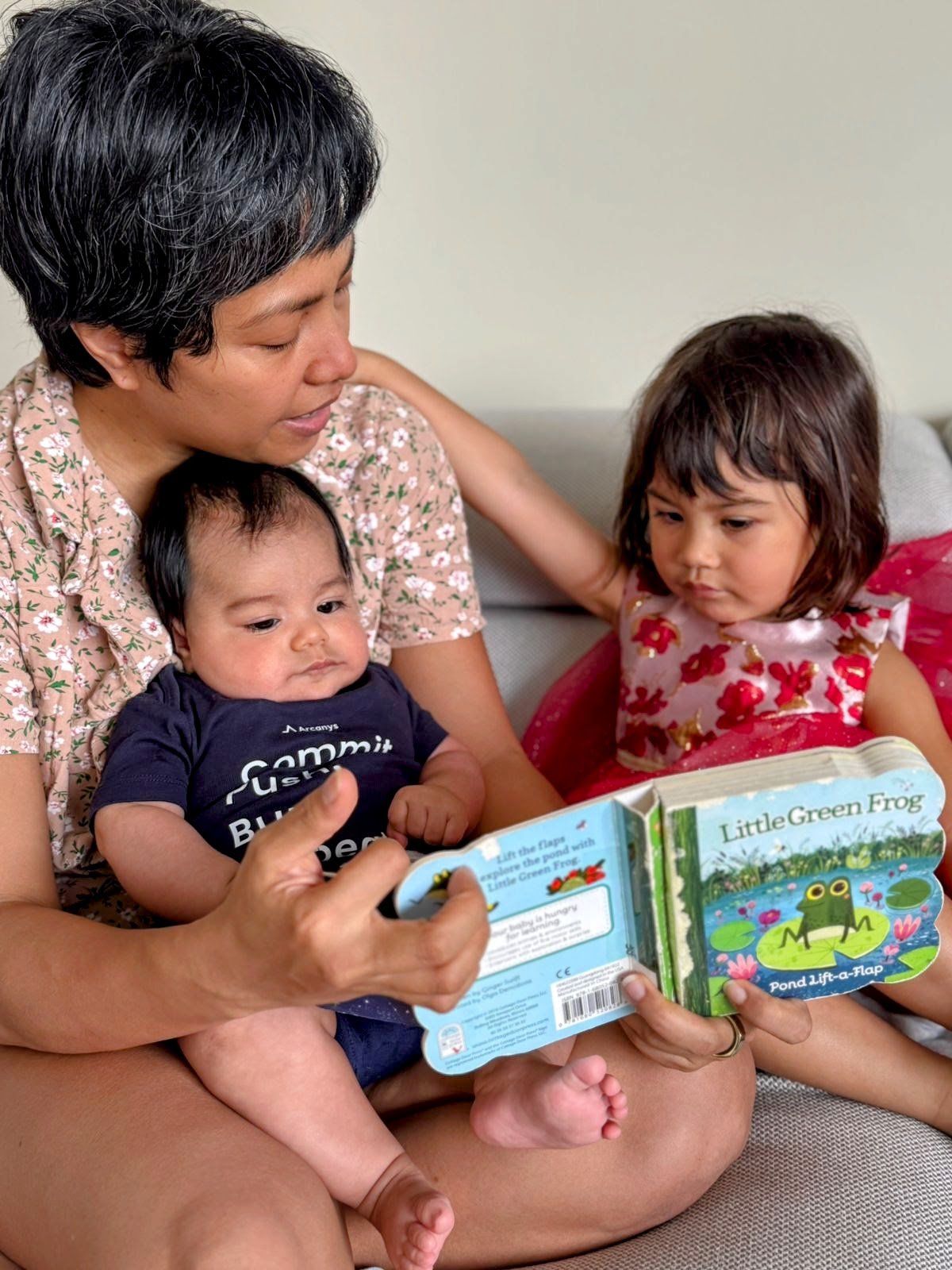
Picture: Luke, Scarlett, and Mom sharing a story (ChildUp.com)